
Xiaomi: Sales Targets vs. Reality
Can Xiaomi Really Steer Clear of Tesla's China Problem?
Xiaomi's recent reaffirmation of its safety focus, alongside raising its 2025 sales target to 400,000 EVs, presents a fascinating case study. It's a bold move, especially considering the company's relatively recent entry into the automotive market and the shadows cast by a couple of high-profile accidents. The question isn’t whether they can make cars, but whether they can navigate the increasingly treacherous waters of the Chinese EV market without repeating Tesla's missteps.
Xiaomi sold 108,796 cars in the third quarter, a jump of 173 percent from a year earlier. That's impressive growth, no doubt. But let's not get carried away. The base from which that growth is calculated is crucial. What were their sales numbers before this supposed explosion? The article states that between January and October, Xiaomi delivered 315,376 cars, edging closer to its previous full-year target of 350,000. This means that the bulk of their sales happened in Q3. The jump is impressive, but it’s not consistent growth throughout the year.
The article mentions that Xiaomi received 200,000 pre-orders online for its second model, the YU7, within three minutes of launch, rising to 240,000 within the first 18 hours. Those are eye-popping numbers. But pre-orders don't equal sales. What's the conversion rate from pre-order to actual purchase? We don't know. And that's a critical piece of information missing from this rosy picture.
Cracks in the Facade?
Lei Jun's promise to ensure safety and reliability, especially after two fatal accidents, feels less like a pledge and more like a necessary damage control measure. Chen Jinzhu, CEO of Shanghai Mingliang Auto Service, rightly points out that "a carmaker cannot just rely on stylish design and hi-tech to promote sales." It's a sentiment that resonates, particularly given the details surrounding the accidents.
In March, an SU7 was involved in a fatal accident with its driver assistance system turned on. The system alerted the driver to take control just two seconds before the crash. Two seconds? That's barely enough time to blink, let alone react to a high-speed emergency. And last month, another SU7 Ultra model was involved in an accident where the driver, suspected of drink-driving, died after passers-by couldn't open the car doors of the burning vehicle. Details on the specific cause of the door malfunction remain scarce, but the optics are terrible.
Tesla, once a dominant force with a 16% market share, has seen its share plummet to below 5%. The article attributes this decline to an escalating price war and the rise of domestic rivals. But that's a simplistic explanation. Tesla's problems in China are multifaceted, ranging from build quality concerns to perceived arrogance in customer service. Can Xiaomi avoid these pitfalls? I'm not convinced.
The Refurbished Angle: A Glimmer of Hope?
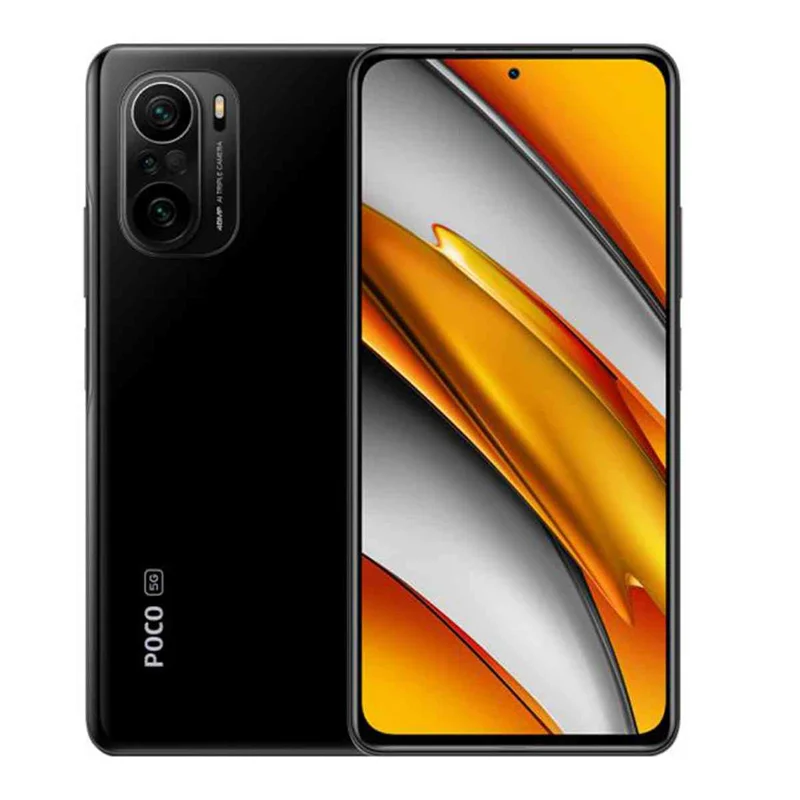
Interestingly, the refurbished market data offers a slightly different perspective. While Xiaomi's premium phones struggle to resell, their mid-range Redmi Note and Poco models are flying off the shelves. This suggests that Xiaomi's strength lies not in competing directly with Tesla's high-end aspirations, but in providing reliable, affordable alternatives. People want strong battery life, reliable hardware, and a name they can trust. Xiaomi checks all three boxes. It's a different game altogether. The Best Refurbished Xiaomi Picks for 2025 provides additional insight into this market.
The Redmi Note 13 Pro, for example, consistently sells for between $200 and $220 on resale platforms. It's not flashy, but it's dependable. And that dependability is a valuable asset in a market saturated with hype and unproven promises. The Poco X6 Pro is popular with users who want higher performance on a budget, staying between USD 190 and 270. Traders appreciate this because the devices rarely stay in stock for long.
I've looked at hundreds of these refurbished market reports, and the consistency of Xiaomi's mid-range performance is unusual. It suggests a level of brand loyalty and trust that transcends fleeting trends. So, maybe Xiaomi's path to success isn't about directly challenging Tesla's Model 3 and Model Y. Perhaps it's about dominating the affordable EV segment with reliable, no-frills vehicles.
Xiaomi: More Redmi, Less Roadster?
The data suggests Xiaomi needs to focus on what it does best: providing reliable, affordable technology. Trying to out-Tesla Tesla in the high-performance EV market is a losing game. Their strength lies in capturing the value-conscious consumer, not chasing after Elon's shadow.
Tags: xiaomi
Nvidia Stock Pops: Revenue Beat vs. AI Bubble Concerns
Next PostExact Sciences Acquisition: What It Means for Cancer Screening and Precision Oncology
Related Articles